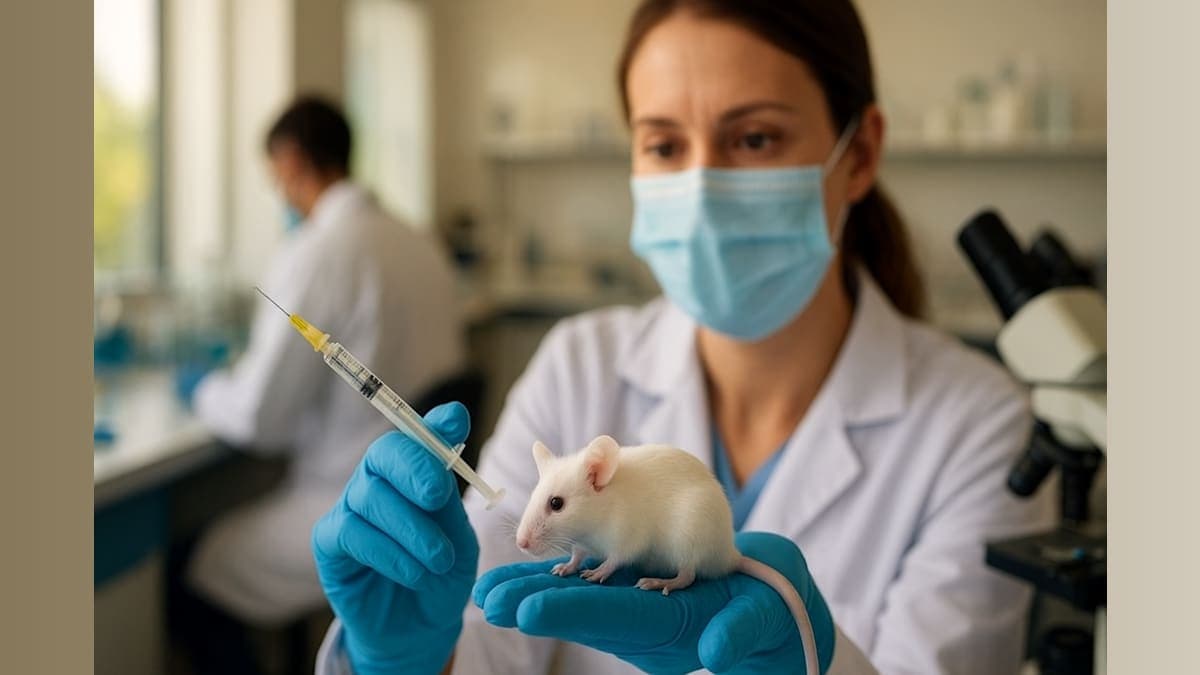
Researchers at Stanford Medicine have achieved a significant milestone in diabetes research, successfully reversing type-1 diabetes in mice through an innovative dual-transplant procedure. The experimental treatment not only eliminated the disease but did so without requiring insulin injections or immune-suppressing medications, marking a substantial advancement in the field of autoimmune disease treatment.
The study, led by Dr. Seung Kim, a multidisciplinary professor at Stanford University, demonstrated remarkable success rates. All 19 mice in the prevention group avoided developing type-1 diabetes, while nine additional mice suffering from established long-term diabetes experienced complete disease reversal. These results persisted throughout the entire six-month observation period without any adverse effects.
Understanding the Dual-Transplant Approach
The innovative treatment involves transplanting both pancreatic islet cells and blood stem cells from healthy donor mice into recipients with type-1 diabetes. This combination creates what researchers describe as a hybrid immune system, containing cells from both the donor and recipient organisms. This hybrid system proved crucial in addressing the dual challenge presented by type-1 diabetes: replacing destroyed insulin-producing cells while simultaneously preventing the immune system from attacking the new cells.
Type-1 diabetes differs fundamentally from the more common type-2 diabetes. It manifests as an autoimmune disorder in which the body's immune system mistakenly attacks and destroys islet cells in the pancreas. These cells are responsible for producing insulin, the hormone that regulates blood glucose levels. The Stanford research team faced the complex challenge of not only replacing these destroyed cells but also reprogramming the immune system to accept and protect the transplanted tissue.
Dr. Kim emphasized the dual vulnerability of the transplanted islet cells, noting that they face rejection both as foreign tissue and as the specific cell type targeted by the autoimmune response. The research team's solution involved creating an immune system of mixed origin that effectively reset the body's defensive mechanisms, preventing both transplant rejection and autoimmune attack.
Clinical Implications and Broader Applications
The research holds promise beyond diabetes treatment. The methodologies employed in this study are already being utilized in clinical settings for other medical conditions, suggesting a potentially accelerated pathway to human trials. Dr. Kim expressed optimism about the broader applications, stating that this approach could prove transformative for individuals with various autoimmune diseases, including rheumatoid arthritis and lupus, as well as those requiring solid organ transplantation.
An additional breakthrough emerged from the work of Dr. Judith Shizuru, a member of the research team. Dr. Shizuru developed a more gentle preparatory treatment for blood stem cell transplantation, which has traditionally required intensive and potentially dangerous radiation therapy to eliminate the patient's existing immune cells. Her refined approach successfully prepared the mice for transplantation with significantly reduced intensity, potentially making the procedure safer for future human applications.
Challenges in Human Translation
Despite the encouraging results, researchers acknowledge significant obstacles before this treatment can benefit human patients. The primary challenge involves the source and quantity of pancreatic islet cells. Currently, these cells can only be obtained from deceased donors, while the blood stem cells must come from the same individual receiving the islet transplant. The substantial size difference between mice and humans creates uncertainty regarding the number of islet cells required to achieve similar therapeutic effects in human patients.
The research team has identified two primary directions for future investigation. First, they aim to develop methods for cultivating pancreatic islet cells in laboratory settings using pluripotent stem cells, which have the capacity to develop into various cell types. Second, they are exploring techniques to enhance the survival rate of transplanted islet cells, potentially reducing the total number required for successful treatment.
The Stanford research builds upon a previous 2022 study by the same team and represents a continuation of their systematic approach to solving the complex puzzle of autoimmune disease treatment. The use of a preparatory drug developed in their earlier work proved essential to the success of the current study, demonstrating the cumulative nature of scientific progress in this field.
While the translation from animal models to human patients remains a significant undertaking, the complete success rate in the mouse studies provides substantial encouragement. The research demonstrates that creating a functional hybrid immune system is achievable and that such a system can maintain long-term stability without requiring ongoing pharmaceutical intervention. These findings represent a fundamental shift in the conceptual approach to treating autoimmune disorders, moving from symptom management to potential cure through immune system modification.