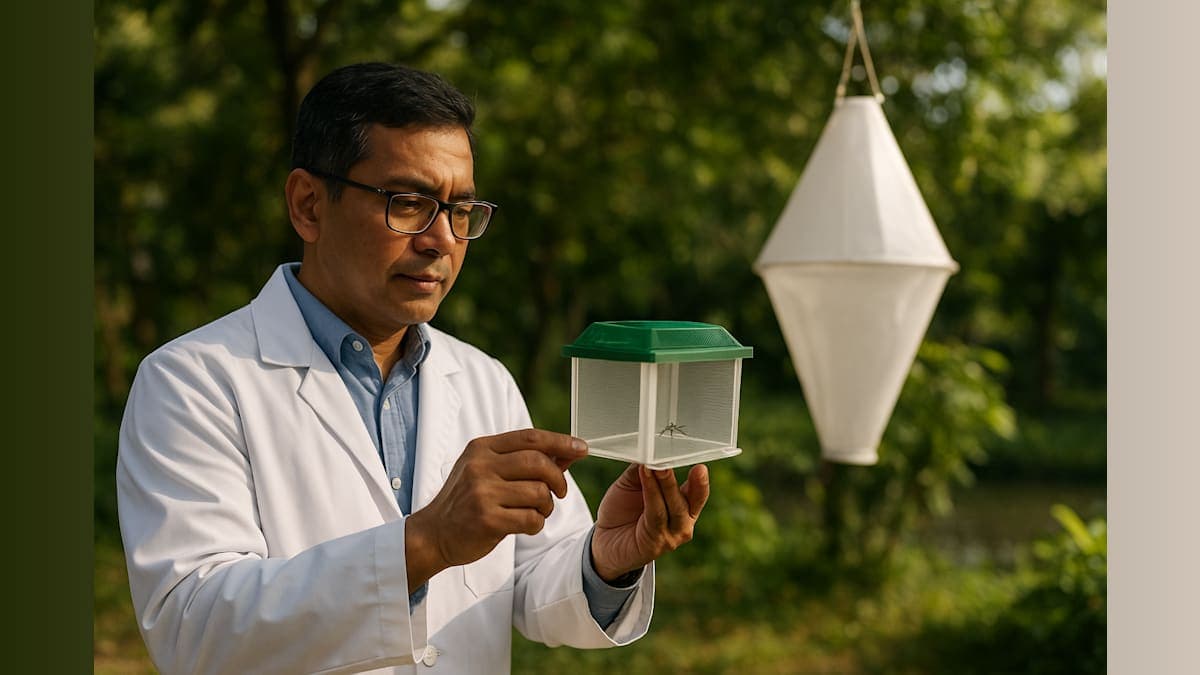
A rigorous scientific investigation conducted in Singapore has produced compelling evidence that a novel mosquito control method significantly reduces both insect populations and dengue fever transmission rates. The study, which concluded in 2024, documented a 71% decrease in dengue cases and a 77% reduction in mosquito numbers in areas where the intervention was deployed.
The research focused on controlling Aedes aegypti, commonly known as the Nile mosquito, which serves as the primary vector for dengue virus transmission. Dengue fever, colloquially referred to as breakbone fever due to the severe joint and muscle pain it causes, represents a serious public health threat. The disease can be debilitating during initial infection and potentially fatal upon subsequent exposure.
The Science Behind the Strategy
The intervention employs a sophisticated biological control mechanism known as Wolbachia-mediated incompatible insect technique combined with sterile insect technique, or IIT-SIT. This approach involves breeding male mosquitoes in controlled facilities and infecting them with Wolbachia bacteria, a naturally occurring microorganism found in numerous insect species.
The Wolbachia bacteria have been specifically modified to render any eggs produced through mating between infected males and wild female mosquitoes sterile. When these laboratory-bred males are released into the environment and mate with wild females, the resulting eggs fail to develop, thereby suppressing the overall mosquito population over time.
Rigorous Methodology Ensures Reliable Results
Researchers from Singapore's Environmental Health Institute, operating under the National Environment Agency, collaborated with multiple scientific partners to design a gold-standard randomized controlled trial. The team selected 15 densely populated districts within the city-state and randomly assigned them to either receive releases of Wolbachia-infected male mosquitoes or serve as control areas without intervention.
The study employed a double-blind methodology, meaning the scientists collecting data on mosquito populations and dengue cases remained unaware of which areas had received the mosquito releases. This rigorous approach eliminates potential bias and strengthens the validity of the findings. Over a 20-month observation period, researchers deployed traps to monitor mosquito populations and analyzed national health statistics to track dengue fever diagnoses.
Dramatic Reduction in Disease Transmission
The results demonstrated remarkable effectiveness across both primary outcome measures. In areas where Wolbachia-infected males were released, mosquito populations captured in monitoring traps declined by 77% compared to control areas. More significantly for public health, dengue fever cases showed a substantial decrease in intervention zones.
Among residents who tested positive for dengue fever, 21% of cases occurred in control areas that did not receive the mosquito intervention. By contrast, only 6% of dengue cases were recorded in study areas where the Wolbachia-infected mosquitoes had been released. This disparity represents an approximately 71% reduction in disease transmission, a figure that holds considerable promise for dengue control efforts.
First Scientifically Robust Evidence of Effectiveness
While IIT-SIT methodology has been implemented in various locations globally, this Singapore study represents the first randomized controlled trial to scientifically validate its effectiveness in reducing mosquito-borne disease transmission. Previous deployments lacked the rigorous experimental design necessary to definitively establish causation between the intervention and observed outcomes.
The timing of this research proves particularly significant given the current global context. Public health authorities worldwide are confronting what experts characterize as a dengue explosion, with case numbers reaching unprecedented levels in numerous countries. The validated effectiveness of IIT-SIT provides health agencies with an evidence-based tool to combat this escalating crisis.
Implications for Global Public Health
The success of this trial offers valuable insights for communities grappling with dengue transmission. The intervention presents several advantages over traditional mosquito control methods, including reduced reliance on chemical insecticides and the potential for sustained population suppression through continued releases of sterile males.
As dengue continues to expand its geographic range due to factors including climate change and urbanization, evidence-based control strategies become increasingly critical. The Singapore study provides public health officials with scientifically validated data to support implementation decisions and resource allocation for mosquito control programs.
The research demonstrates that biological control methods, when properly implemented and rigorously evaluated, can serve as powerful tools in the fight against vector-borne diseases. The substantial reductions in both mosquito populations and disease transmission documented in this study establish IIT-SIT as a credible intervention worthy of consideration by health authorities confronting dengue challenges in their jurisdictions.