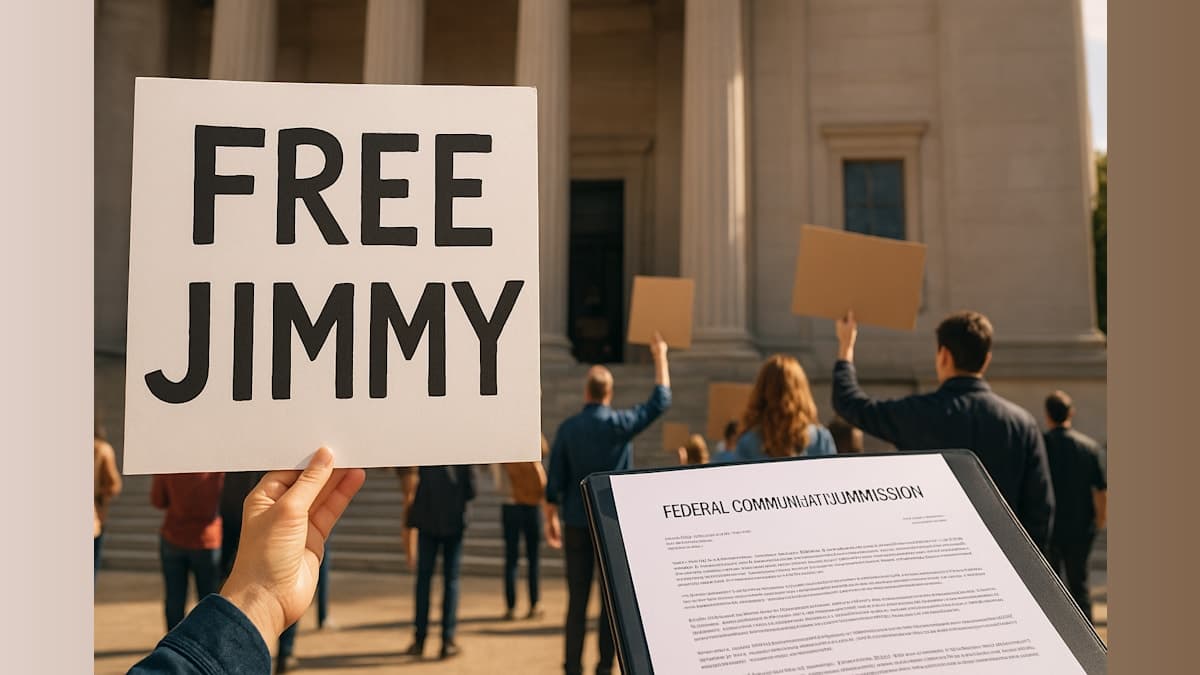
Federal Communications Commission records obtained through a Freedom of Information Act request have revealed an unexpected pattern in public response to the brief removal of late-night television host Jimmy Kimmel from ABC's programming schedule last September.
The documents demonstrate that the majority of complaints filed with the federal agency were not criticisms of Kimmel's controversial remarks about conservative commentator Charlie Kirk, but rather objections from viewers who believed government officials were improperly interfering with broadcast content and violating First Amendment protections.
The Controversy That Sparked Federal Attention
The incident originated when Kimmel made on-air comments during his September 15, 2025 broadcast, stating: "We hit some new lows over the weekend with the MAGA gang desperately trying to characterize this kid who murdered Charlie Kirk as anything other than one of them and doing everything they can to score political points from it."
Following these remarks, FCC Commissioner Brendan Carr publicly applied pressure on ABC to address the situation. The network subsequently placed Kimmel's program on temporary hiatus, a decision that lasted only several days before the host returned to his regular broadcasting schedule.
Public Response Challenges Government Involvement
The newly released FCC complaint records paint a picture significantly different from what many observers might have anticipated. Rather than a flood of criticism directed at the television host, the documents show that viewers primarily expressed concern about what they perceived as governmental overreach into broadcast journalism and entertainment programming.
Numerous complainants specifically cited First Amendment concerns, arguing that federal officials had inappropriately pressured a private broadcasting company to silence a commentator based on political content. Several submissions directed pointed criticism at Commissioner Carr, with some suggesting that he had allowed political considerations to influence regulatory actions.
One representative complaint characterized the situation as an example of government officials demonstrating hostility toward free speech principles, using language that reflected the intensity of public sentiment on the matter.
Implications for Broadcast Regulation and Free Speech
The episode raises significant questions about the appropriate boundaries between federal regulatory authority and broadcast content decisions. While the FCC maintains jurisdiction over certain technical and licensing aspects of broadcasting, direct involvement in programming content decisions remains constitutionally problematic under established First Amendment jurisprudence.
Legal scholars have long maintained that government officials must exercise caution when commenting on broadcast content, as even informal pressure from federal authorities can create a chilling effect on free expression. The swift public response documented in these FCC records suggests that many citizens remain vigilant about protecting these fundamental rights.
While a minority of the complaints did criticize Kimmel's remarks—and in some cases extended criticism to other late-night hosts such as Stephen Colbert—these represented a substantially smaller proportion of the total submissions received by the federal agency.
The Broader Context of Political Commentary in Entertainment
This incident represents the latest chapter in an ongoing national conversation about the role of political commentary in entertainment programming. Late-night television hosts have historically enjoyed broad latitude in addressing political topics, a tradition rooted in both First Amendment protections and the satirical nature of the format.
The rapid reinstatement of Kimmel's program following the brief hiatus suggests that ABC ultimately concluded that maintaining the show's regular schedule aligned with both its business interests and its commitment to diverse programming. The overwhelming public support documented in the FCC complaints likely factored into this calculation.
As political polarization continues to characterize the national discourse, incidents such as this one illuminate the ongoing tension between those who advocate for unrestricted political commentary and those who seek greater accountability for public statements. The FCC records demonstrate that, in this particular case, public sentiment strongly favored protecting the broadcaster's editorial independence from government interference.