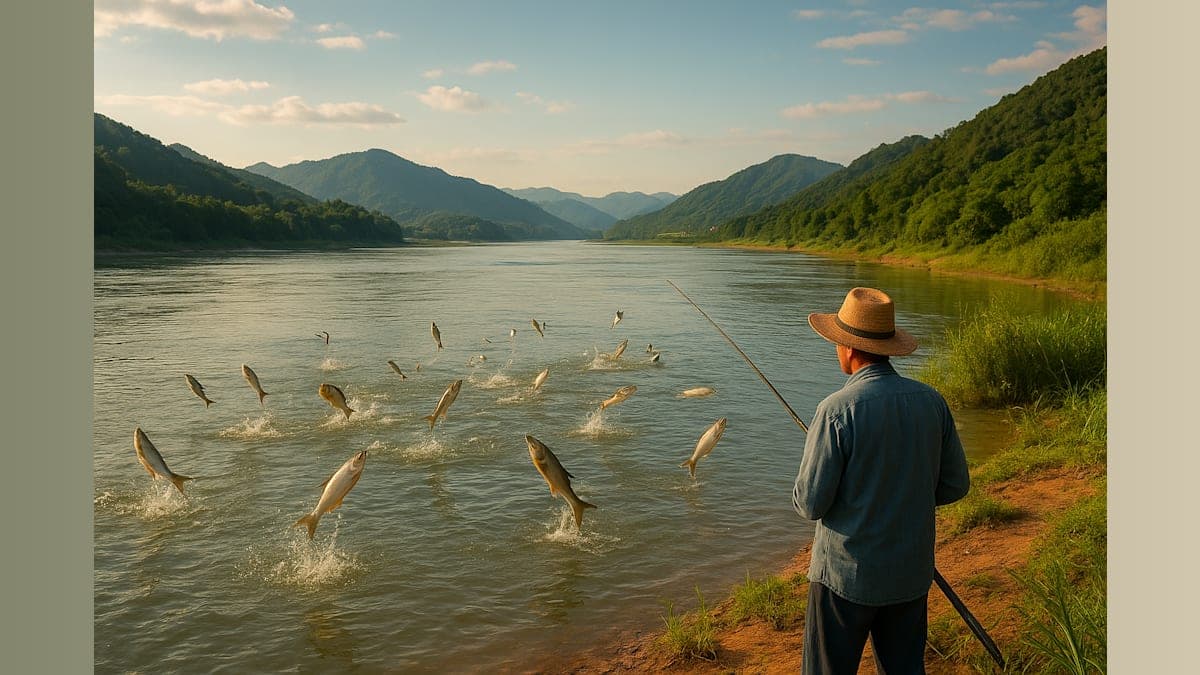
The Yangtze River, Asia's longest waterway and a critical ecological resource for China, has demonstrated remarkable signs of recovery following the implementation of an unprecedented conservation strategy. Five years into a comprehensive 10-year fishing moratorium, scientific assessments reveal substantial improvements in the river's ecological health, marking a significant milestone in one of the world's most ambitious aquatic restoration projects.
The restoration initiative, supported by approximately $2.7 billion in government investment, addresses decades of environmental degradation caused by industrial development, dam construction, overfishing, pollution, and habitat fragmentation. The Yangtze River system, which supports hundreds of millions of people and serves as a vital economic corridor, had experienced severe ecological decline that threatened both biodiversity and the livelihoods of communities dependent upon its resources.
Dramatic Increases in Fish Populations
Recent scientific studies documenting the progress of the restoration effort have reported a tripling of fish biomass within the river system. This substantial increase in aquatic life represents a critical indicator of ecosystem recovery and suggests that the fishing ban has provided sufficient time for fish populations to rebuild after years of intensive commercial harvesting.
The recovery extends beyond simple population numbers. Researchers have observed improvements in species diversity and the return of fish to areas where they had become locally extinct. These developments indicate that the river's ecological balance is beginning to restore itself when provided with adequate protection and time to recover from anthropogenic pressures.
Addressing the Human Impact
A critical component of the restoration strategy involves addressing the socioeconomic consequences of the fishing moratorium. Approximately 200,000 fishermen who previously relied upon the Yangtze for their livelihoods have been affected by the ban. The Chinese government has implemented comprehensive reemployment programs designed to transition these workers into alternative occupations while providing financial support during the adjustment period.
This approach recognizes that successful environmental conservation requires consideration of human communities whose traditional ways of life are disrupted by protection measures. By investing in workforce retraining and economic alternatives, authorities aim to maintain public support for the long-term fishing ban while ensuring that affected families can maintain their standard of living.
Broader Implications for River Conservation
The Yangtze River restoration project represents one of the most extensive freshwater conservation efforts ever undertaken globally. Its apparent success at the halfway point provides valuable insights for other regions grappling with degraded river systems and declining fish populations. The combination of strict harvest restrictions, substantial financial investment, and social support programs offers a potential model for large-scale aquatic ecosystem recovery.
Environmental scientists note that the five-year mark represents a crucial assessment point. While the improvements documented thus far are encouraging, the second half of the moratorium will determine whether these gains can be sustained and expanded. Continued monitoring will be essential to evaluate long-term trends and inform future management decisions when the fishing ban concludes.
The Yangtze River's recovery demonstrates that even severely degraded aquatic ecosystems retain the capacity for regeneration when provided with adequate protection and resources. As the project continues through its remaining five years, it will serve as an important case study in balancing ecological restoration with the economic needs of human communities dependent upon natural resources.