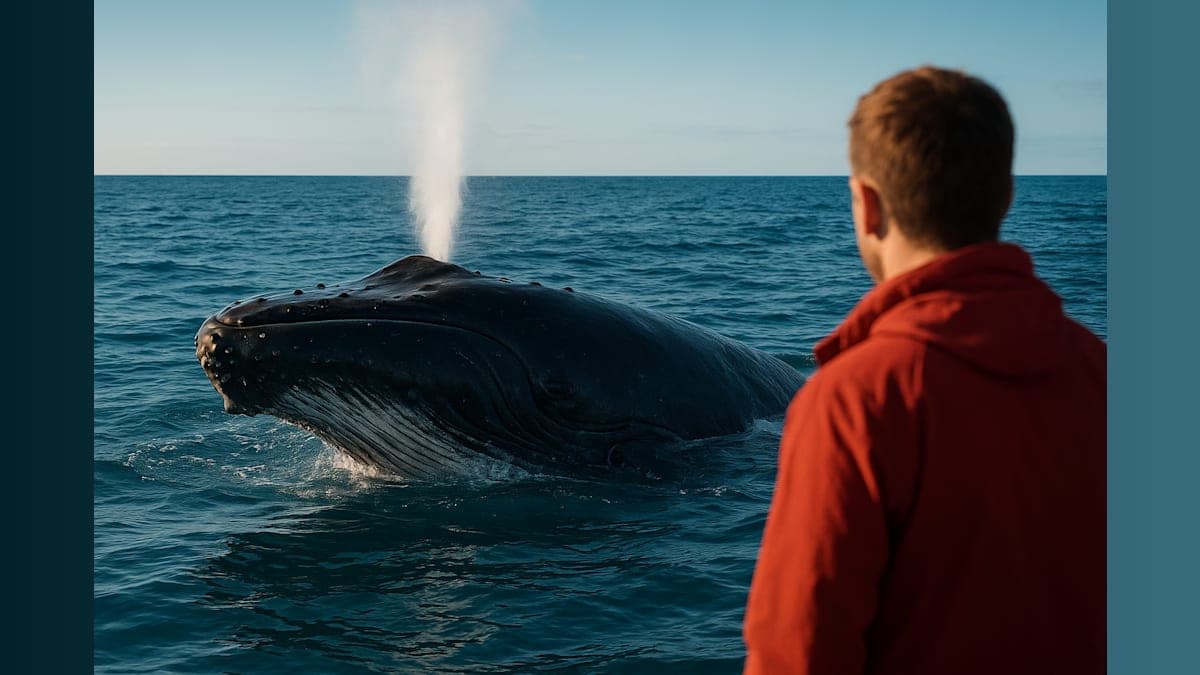
A groundbreaking study in marine biology has revealed that age and experience play crucial roles in the reproductive success of male humpback whales, challenging previous assumptions about mating dynamics in these magnificent marine mammals. The research indicates that older males demonstrate superior singing abilities, which directly correlate with increased offspring production.
The investigation focused on the complex vocalizations produced by male humpback whales during mating season, examining the relationship between vocal proficiency and reproductive outcomes. Researchers discovered that mature whales consistently outperformed younger rivals in producing offspring, suggesting that vocal mastery requires substantial time and practice to develop fully.
Humpback whale songs represent some of the most intricate acoustic displays in the animal kingdom, featuring elaborate patterns and sequences that can last for extended periods. The findings suggest these marine mammals undergo a learning process similar to skill acquisition in other species, where proficiency improves with age and experience.
The study's implications extend beyond understanding whale behavior, offering insights into how competitive strategies evolve over an individual's lifetime. Experienced males appear to have refined not only their vocal techniques but also their overall competitive tactics, providing them with distinct advantages in securing mating opportunities.
This research underscores the importance of protecting mature whale populations, as these individuals represent repositories of learned behaviors and refined skills essential for species continuation. Conservation efforts must account for the value of experienced individuals within whale populations, recognizing that reproductive success depends on more than physical capability alone.
The findings contribute to growing scientific understanding of cetacean intelligence and social learning, demonstrating that humpback whales possess sophisticated cultural transmission mechanisms. As researchers continue investigating these remarkable creatures, the complexity of their communication systems and social structures becomes increasingly apparent, warranting further protection and study of these ocean dwellers.