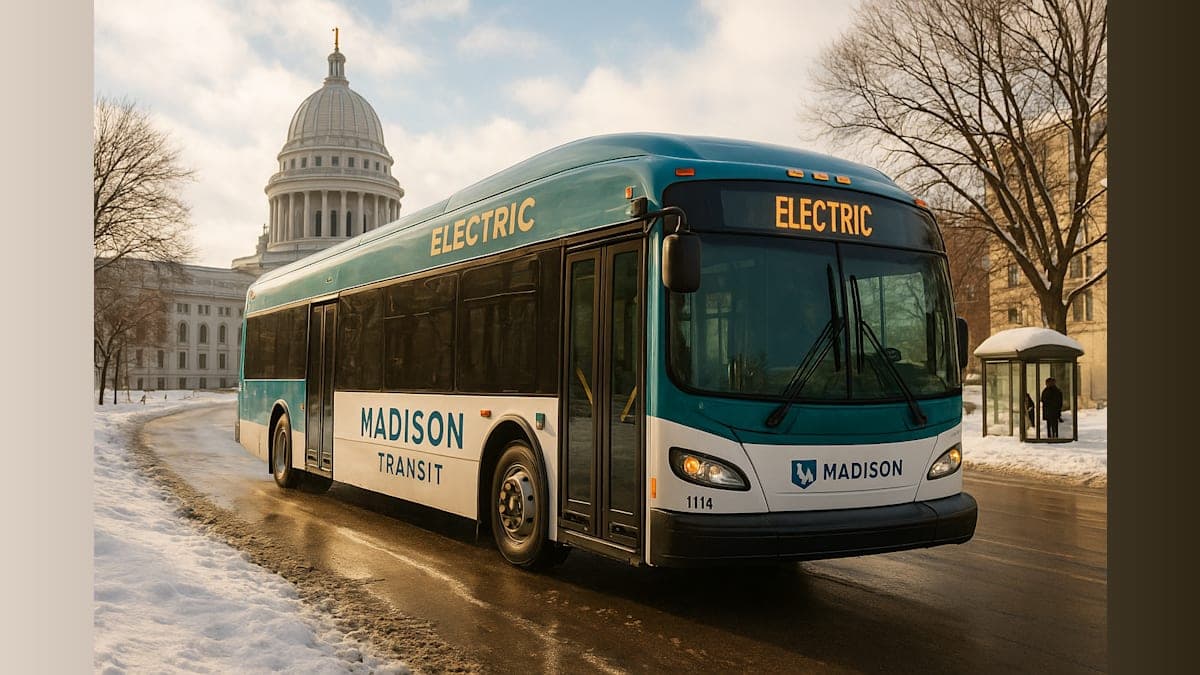
Madison's Metro Transit has achieved a remarkable milestone in electric vehicle technology, successfully operating its all-electric bus fleet through the harsh Wisconsin winter without a single weather-related service interruption. The accomplishment represents a significant advancement in cold-weather electric transportation and demonstrates the viability of zero-emission public transit in northern climates.
The achievement is particularly noteworthy given Madison's challenging winter conditions. The city experiences an average of 18 days annually with temperatures dropping below zero degrees Fahrenheit. This winter season, the electric bus fleet maintained consistent performance throughout these extreme conditions, with coaches operating from early morning through late evening service hours.
Overcoming Early Challenges
The journey to this success was not without obstacles. Madison Metro Transit initially launched a pilot program in 2020, acquiring three electric buses from manufacturer Proterra. The early implementation encountered numerous technical difficulties, with vehicles frequently experiencing operational failures during cold weather periods. Battery technology at that time proved insufficient for Wisconsin's winter conditions.
Following Proterra's bankruptcy filing in 2024, the transit authority transitioned to New Flyer as its electric bus supplier. This change, combined with several technological advancements, transformed the fleet's reliability and performance capabilities.
Technological Innovations Drive Success
The current fleet's success stems from multiple technological improvements. Enhanced battery capacity and superior insulation systems have dramatically improved cold-weather performance. Additionally, Metro Transit has implemented an innovative overhead charging infrastructure along the most heavily trafficked east-west routes.
The charging system operates through pantograph ports installed at terminal stops. When buses reach the end of their east-west routes, drivers receive a standard 20-minute layover period. During this time, an automated robotic arm connects to the overhead charging port, replenishing approximately 15 percent of the battery capacity within the same timeframe.
Buses operating on north-south routes, which currently lack the overhead charging infrastructure, conclude their daily service schedules with approximately 20 to 25 percent battery charge remaining. Notably, even during the coldest days of the winter season, these vehicles experienced no more than 10 percent additional battery depletion compared to moderate weather conditions.
Public Health and Environmental Benefits
Beyond operational reliability, the electric fleet delivers substantial public health advantages. Research has established that frequent bus commuters face elevated risks of cardiovascular and respiratory diseases compared to private vehicle operators. This increased health risk is primarily attributed to exposure to fine particulate matter emitted by diesel engines, particularly at bus stops where vehicles repeatedly accelerate from stationary positions.
The elimination of diesel exhaust creates a healthier environment for both passengers and pedestrians waiting at transit stops. Additionally, the significant reduction in engine noise contributes to improved quality of life in urban neighborhoods served by bus routes.
Implications for Cold-Climate Transit Systems
Madison's successful winter operation provides valuable evidence for other northern municipalities considering electric bus fleet transitions. The achievement demonstrates that contemporary electric vehicle technology, when properly implemented with appropriate charging infrastructure and advanced battery systems, can reliably serve communities facing severe winter weather conditions.
While service interruptions and cancellations did occur during the winter season, Metro Transit officials confirmed that none were attributed to cold weather affecting battery performance. This represents a fundamental shift from the early pilot program experiences and establishes a new benchmark for electric transit reliability in challenging climates.
The Madison Metro Transit experience offers a compelling case study for transportation authorities nationwide as they evaluate the transition to zero-emission vehicle fleets. The combination of technological advancement, strategic infrastructure investment, and operational experience has produced a transit system that meets the dual objectives of environmental responsibility and service reliability.