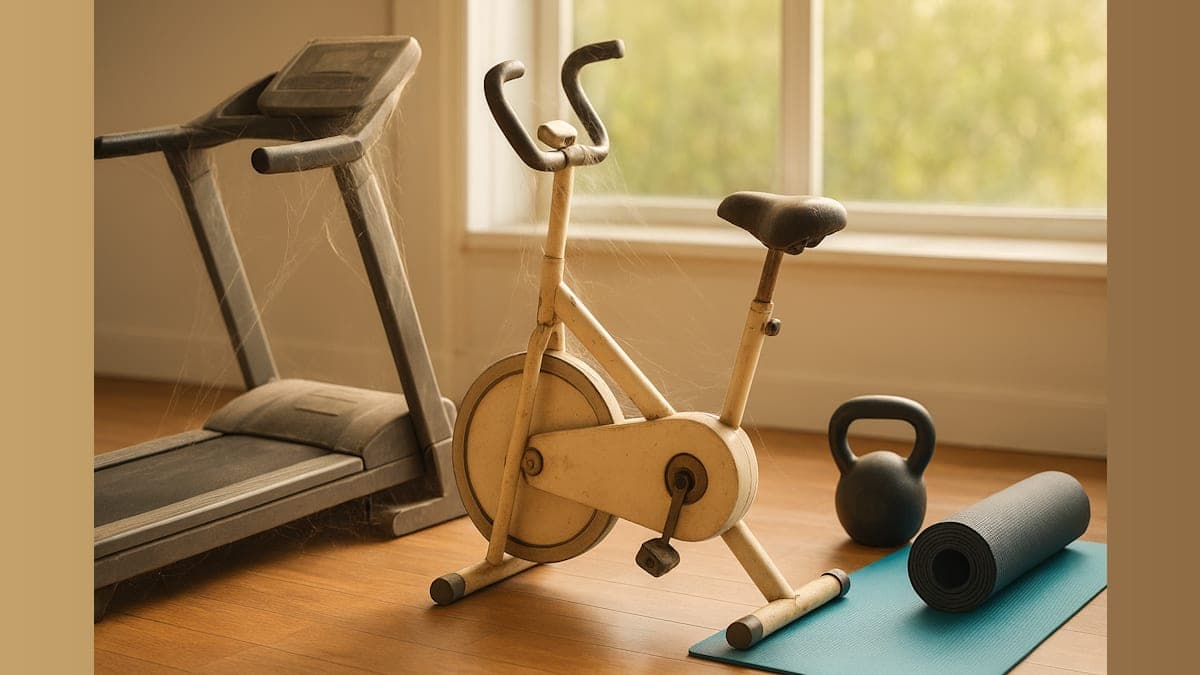
With daylight saving time marking the arrival of spring this weekend, approximately 80 percent of American households will embark on their annual spring cleaning rituals. Amid the decluttering, many will rediscover forgotten wellness devices that once promised revolutionary fitness results but have since been relegated to storage.
Cultural historian Natalia Mehlman Petrzela, author of "Fit Nation: The Gains and Pains of America's Exercise Obsession," has identified five notable wellness trends from decades past and examined what has replaced them in today's health-conscious marketplace.
Dr. Scholl's Exercise Sandals: The Clacking Clog
These wooden clogs gained widespread popularity during the 1970s with promises to "shape, tone and firm your legs with every step you take." However, the rigid construction resulted in numerous consumer complaints, including painful blisters, leg cramps, and balance difficulties. The distinctive clacking sound they produced became an unmistakable—and often unwelcome—announcement of their wearer's presence.
Modern footwear manufacturers have developed specialized athletic shoes that prioritize comfort and support over gimmicks. According to Petrzela, contemporary options will not independently burn calories, but their superior design encourages increased walking activity. "Any good pair of sneakers or supportive footwear, including Dr. Scholl's, should do the trick," she noted.
Sauna Suits: The Dangerous Weight Loss Shortcut
Constructed from synthetic plastic or rubber materials, sauna suits operated on the premise that "big sweat equals big weight loss," as Petrzela explained. These garments trapped body heat to maximize perspiration, resulting in rapid but temporary water weight reduction. Some fitness enthusiasts even fashioned homemade versions from garbage bags.
The significant health risks associated with these suits—including dehydration and heatstroke—prompted several athletic associations to ban them during the 1970s. Today's electrical muscle stimulation suits represent a technological evolution, utilizing electrodes that deliver electrical impulses to muscles, thereby intensifying workouts and improving muscle tone without the dangerous overheating effects.
ThighMaster: Television's Most Famous Fitness Device
Actress Suzanne Somers became synonymous with the ThighMaster during the 1990s, selling consumers on the possibility that consistent use could produce results comparable to her own physique. The device's appeal extended beyond its fitness claims—it offered the convenience of home exercise while watching television, eliminating the need for gym memberships or bulky equipment.
Despite its deceptively simple appearance, the portable device provided genuine resistance training for inner thigh muscles. Contemporary resistance bands serve an equivalent function with improved storage convenience, according to Petrzela.
WOW Chips: The Snack With Unfortunate Side Effects
These late-1990s potato chips contained olestra, marketed under the brand name Olean—an indigestible fat substitute composed of sugar and vegetable oil. The product promised zero calories and no cholesterol, appearing to offer consumers the ideal solution for guilt-free snacking.
"These promised to let you have it all: delicious potato chips with none of the fat," Petrzela recalled. "The problem was that olestra had all sorts of side effects—memorably, 'anal leakage' was listed as one—that were arguably worse than a few extra pounds."
The product was eventually discontinued. Subsequent research has highlighted the health risks associated with ultra-processed foods, including increased likelihood of obesity, Type 2 diabetes, certain cancers, and premature mortality. Modern chip manufacturers have responded with comparatively healthier alternatives, including air-popped varieties, products without seed oils, and protein-enriched options.
Shake Weights: The Viral Sensation That Fizzled
Launched in 2009, Shake Weights achieved rapid viral popularity through memorable infomercials that demonstrated their distinctive oscillating motion. The modified dumbbells promised enhanced arm and shoulder toning through dynamic movement.
Research ultimately determined that Shake Weights provided no superior benefits compared to conventional dumbbells. "An alternative is boring old dumbbells, which tend to do the trick of providing weight-bearing training," Petrzela stated, emphasizing that traditional equipment remains effective for strength development.
As consumers rediscover these relics during spring cleaning, the evolution of wellness products serves as a reminder that sustainable health improvements typically result from consistent, evidence-based practices rather than trendy shortcuts. The fitness industry continues to innovate, but the fundamental principles of exercise and nutrition remain unchanged.